Cherry Lowman
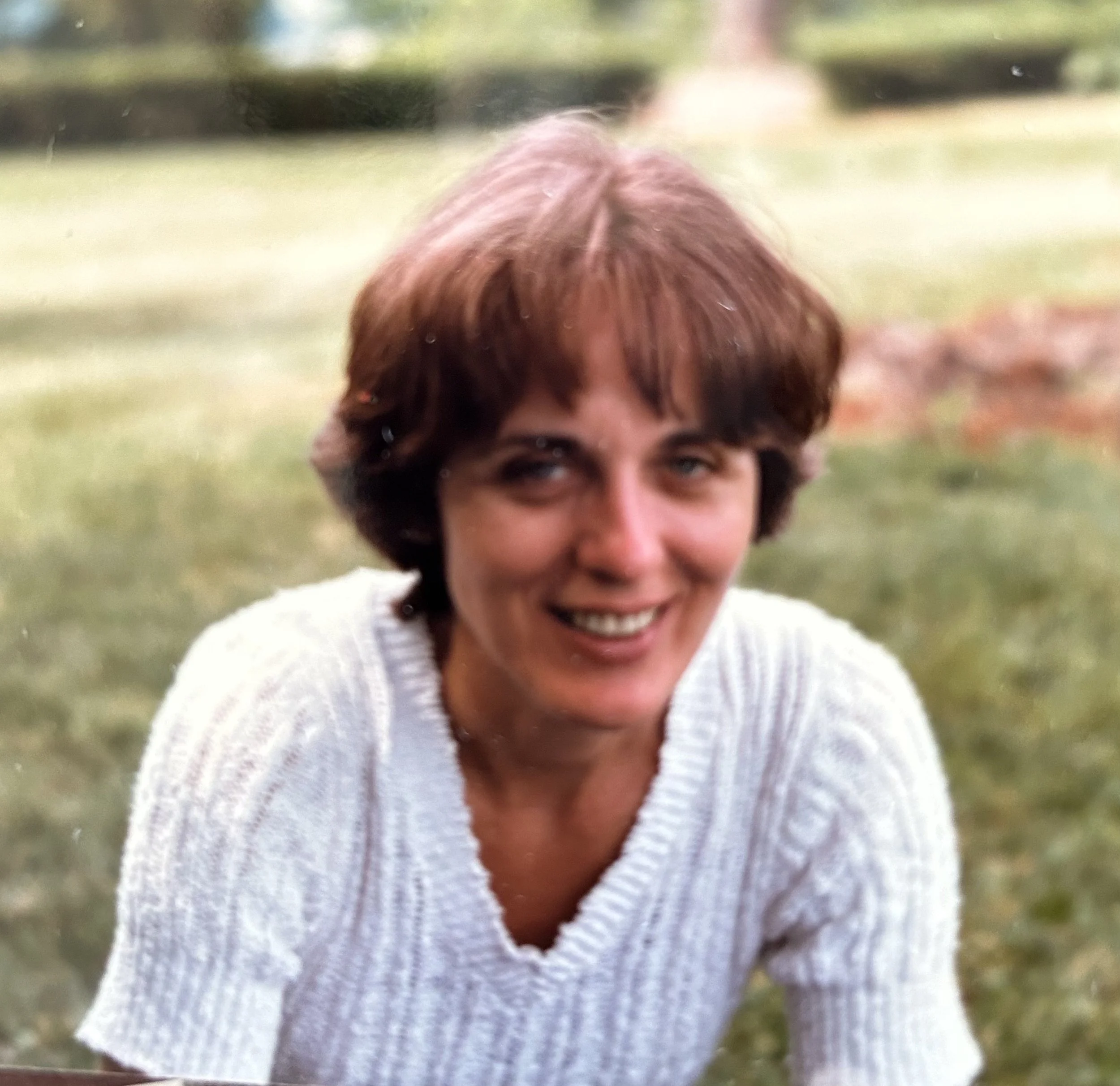
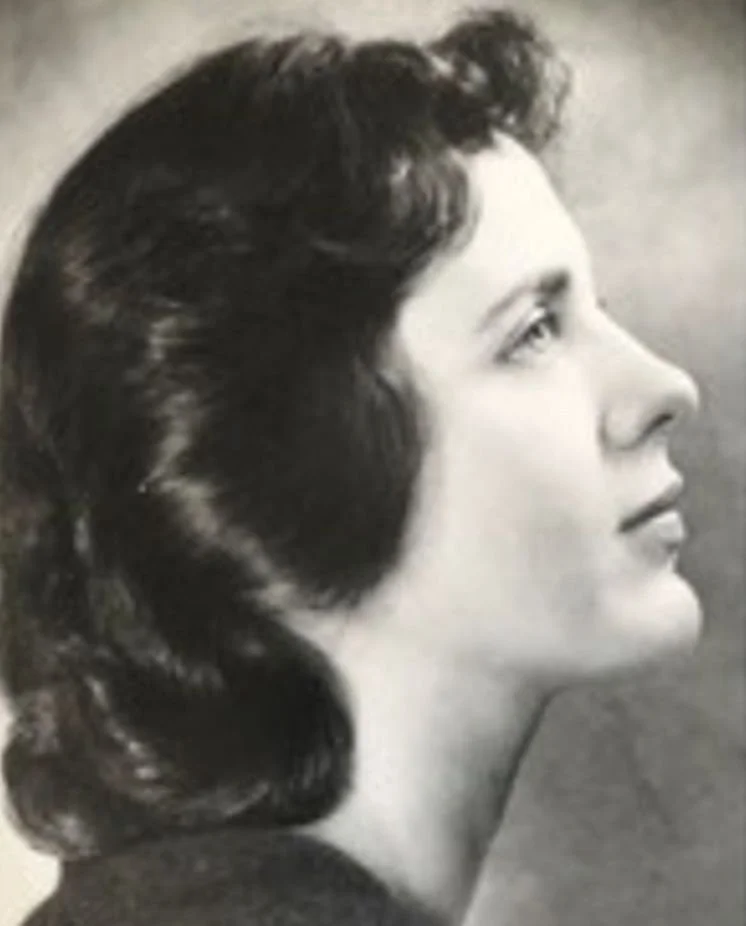
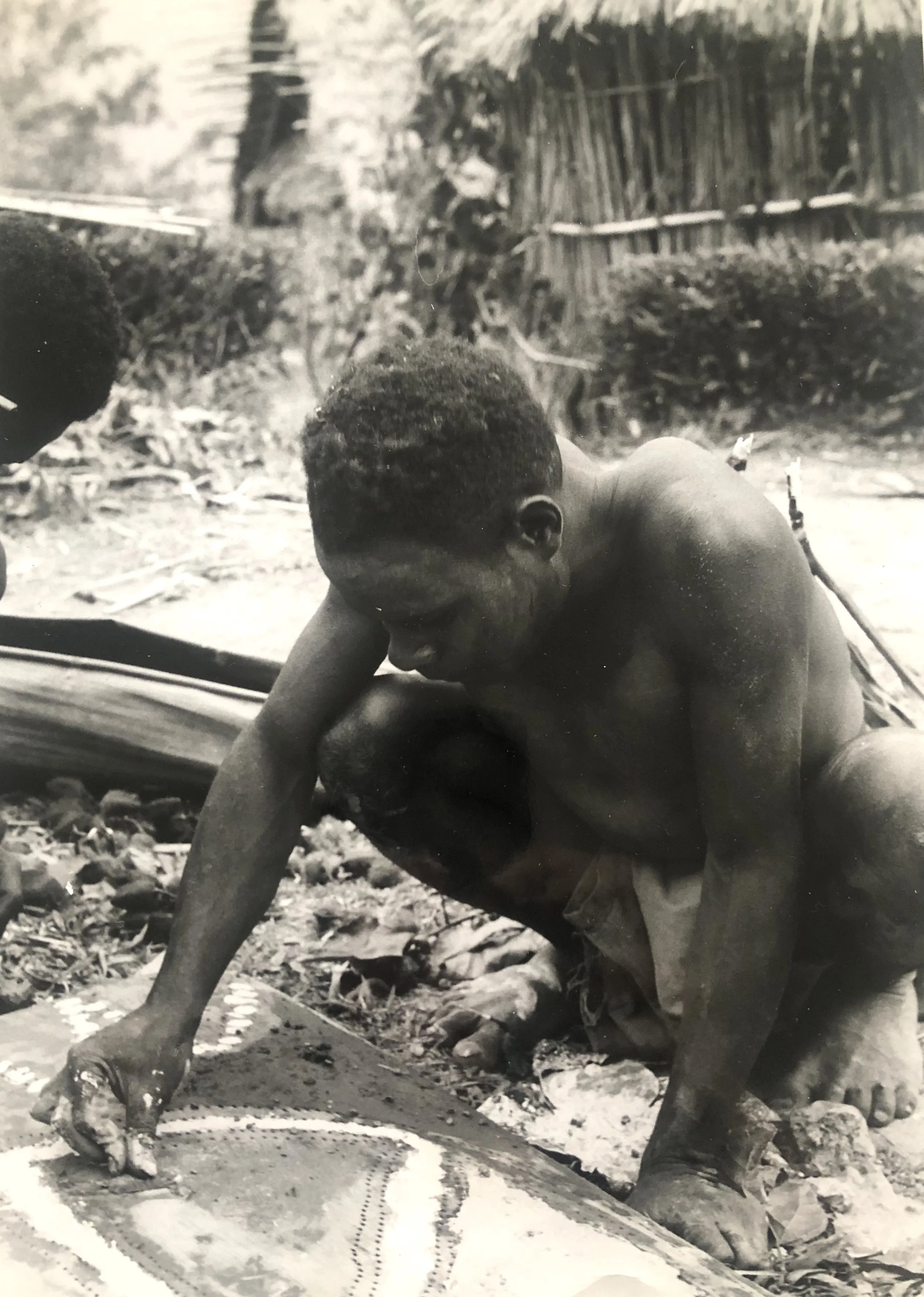
Dr. Cherry Lowman (1934–2019) was an anthropologist and health scientist administrator who worked for decades at the National Institute on Alcohol Abuse and Alcoholism (NIAAA), where she administered grants, coordinated research, and published widely about treatment interventions, relapse, and alcohol problems in adolescents. Prior to her career at the NIAAA, she conducted fieldwork in New Guinea.
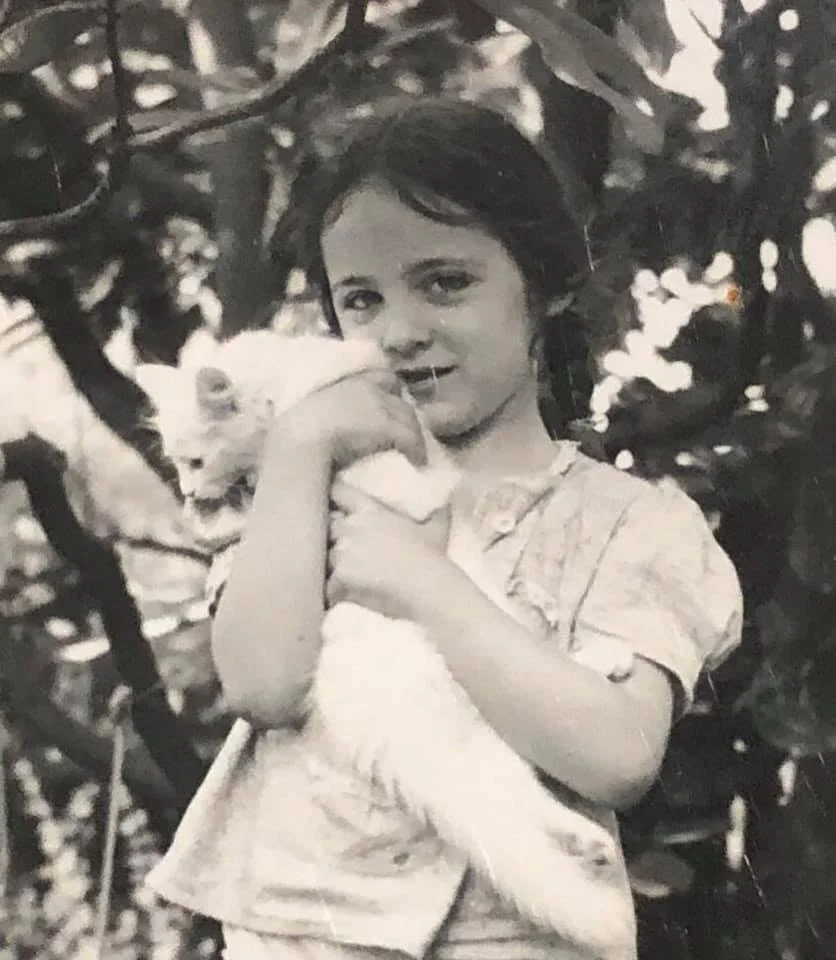
Cherry was a devoted single mother and generous friend who always rooted for the underdog. Among her passions: renovating and decorating houses; going to museums; travel; supporting the arts and artists; and cats.
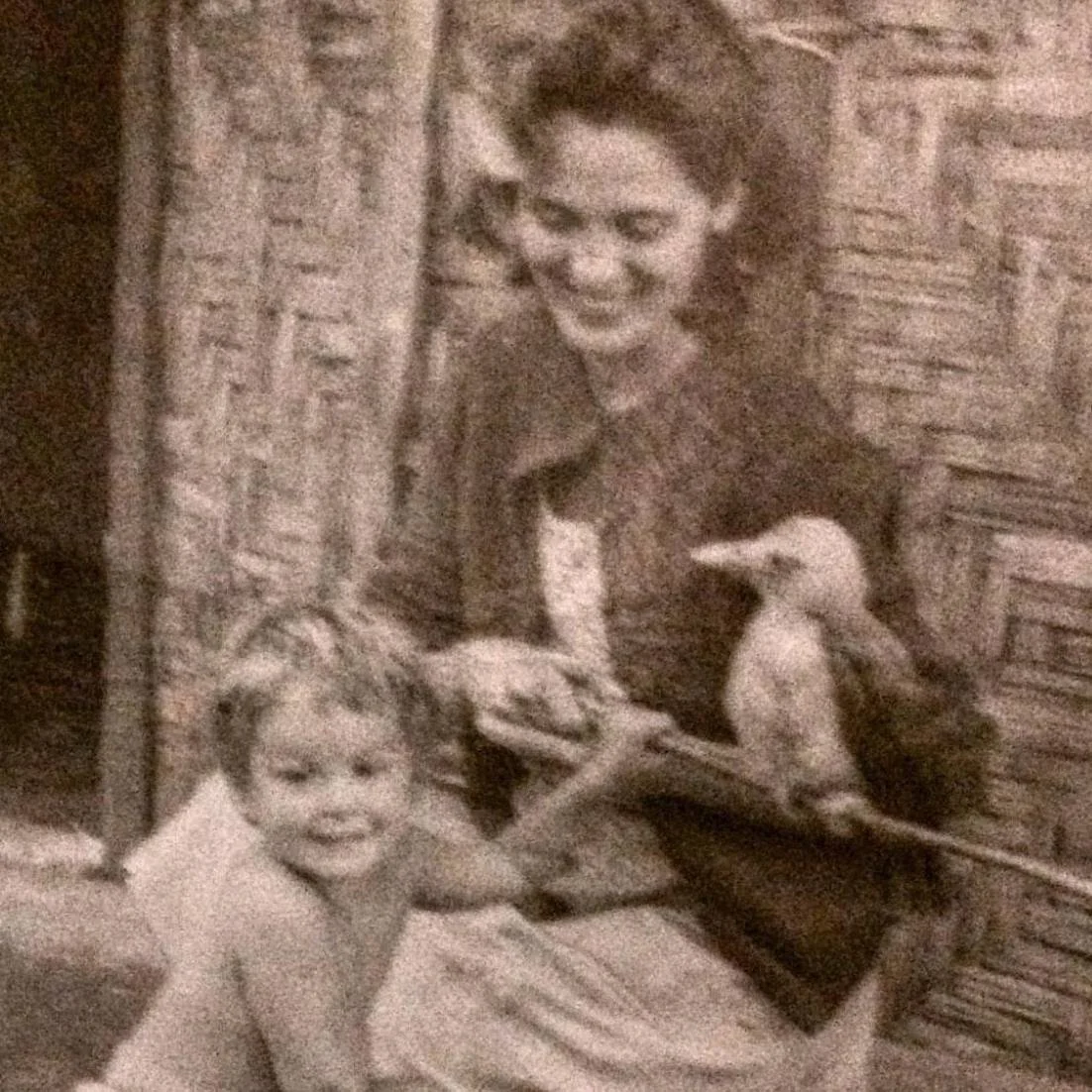
Cherry’s research, field notes, correspondence and photographs are in the National Smithsonian Anthropological Archives, along with those of my father Pete Vayda, who died in 2022. Much of my parents’ New Guinea research in the 1960s overlapped, so it is good they are in the same place for cross-referencing. Shoutout to Gina Rappaport for her guidance, hard work, organization and expertise with their archives!!
-
![]()
-
![]()
-
![]()
-
![]()
Background on shield displayed in Barnard College Anthropology dept.
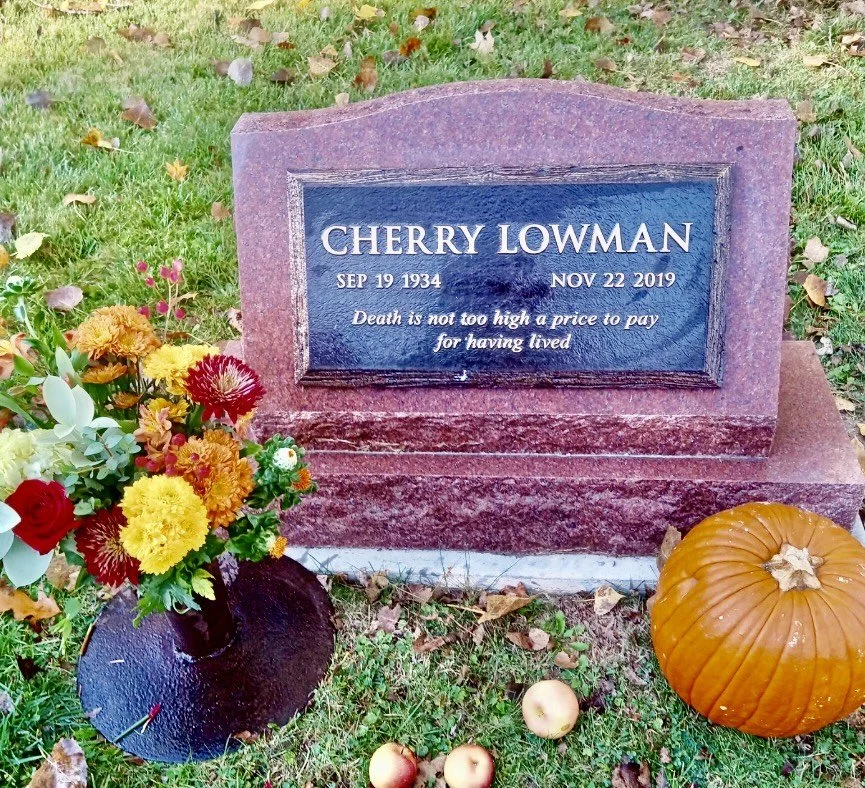
This quote, which I put on my mother’s headstone in King’s Cemetery, Ithaca, comes from a poem by Dorothy Monroe, multiple copies of which I found in several of her files, including in condolence letters she sent to others. She clearly found it a comforting way to approach death, and so do I.
“Death is not too high a price to pay for having lived.”
“Death is not too high a price to pay
for having lived. Mountains never die,
nor do the seas or rocks or endless sky.
Through countless centuries of time, they stay
eternal, deathless. Yet they never live!
If choice were there, I would not hesitate
to choose mortality. Whatever Fate
demanded in return for life I’d give,
for never to have seen the fertile plains
nor heard the winds nor felt the warm sun on sands
beneath a salty sea, not touched the hands
of those I love – without these, all the gains
of timelessness would not be worth a day
of living and of loving; come what may..”
— Dorothy Monroe